AI agents are changing how we use artificial intelligence. Instead of simply answering questions, these tools can research topics, manage workflows, write code, and perform tasks across connected applications.
According to OpenAI's guide to building agents, AI agents combine instructions, tools, and safety controls to take action on behalf of users.
Here are five practical ways to use AI agents in 2026.
1. Research Topics and Summarize Information

AI agents can search the web, analyze documents, compare information, and prepare structured summaries.
For example, you can ask an AI agent to research the latest smartphone processors, compare specifications, and organize the findings into a table.
OpenAI's Agents API supports connected tools, file operations, and multi-step workflows, making these tasks possible within appropriately configured applications.
However, important facts and sources should always be verified.
2. Manage Emails and Daily Tasks

AI agents connected to productivity apps can help organize emails, draft replies, identify important messages, and manage schedules.
For instance, an agent could summarize unread emails and prepare responses without requiring you to review every message individually.
Microsoft Copilot Studio supports agents that interact with business systems through connectors and automated workflows.
These features depend on the connected services and permissions granted.
3. Create Blog Posts and SEO Content

Content creators can use AI agents to simplify research, article planning, and publishing preparation.
An AI agent can help generate topic ideas, create outlines, draft articles, and prepare SEO titles and meta descriptions.
For example, a technology blogger could automate the initial research and drafting process while reviewing the final article before publication.
AI-generated content still needs fact-checking, original insights, and editorial review.
4. Write Code and Fix Website Issues

AI coding agents can inspect project files, identify potential bugs, suggest fixes, and run tests.
This makes them useful for developers working on websites, applications, and software projects.
In September 2026, OpenAI introduced its Agents API, bringing managed Codex agent capabilities to developers, including code execution and file operations in sandbox environments.
Developers should still review changes before deploying them to production.
5. Analyze Spreadsheets and Generate Reports
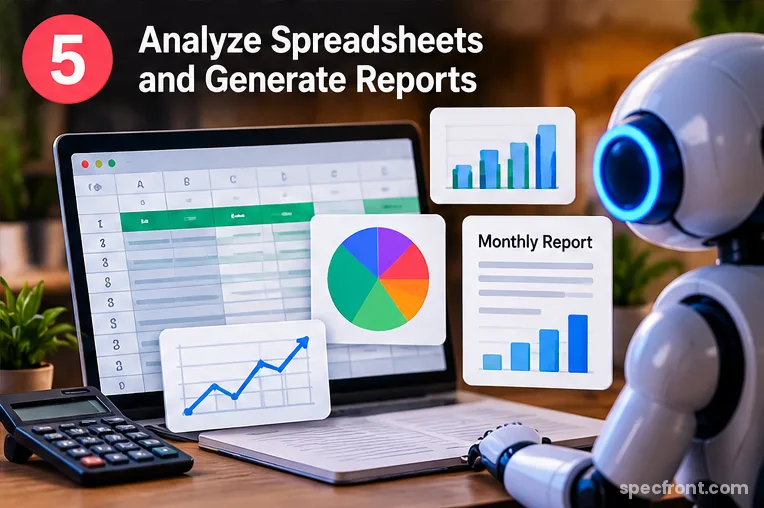
AI agents can help process spreadsheet data, calculate totals, identify trends, and generate business reports.
For example, a business owner could use an agent to compare monthly sales figures and prepare a performance summary.
OpenAI's Agents API documentation includes a data-analysis example using read-only SQL, demonstrating how agents can work with structured business information.
Always verify important calculations before making financial decisions.
Are AI Agents Safe?
AI agents can make mistakes, particularly when interacting with external applications.
Users should limit permissions, protect sensitive information, and require confirmation before important actions.
OpenAI recommends guardrails and human approval for sensitive operations such as modifying files or executing potentially risky commands.
Final Thoughts
AI agents are becoming useful tools for research, productivity, content creation, coding, and data analysis.
While they cannot replace human judgment, they can reduce repetitive work and simplify complex workflows.
The best way to get started is to automate one simple task, review the results, and gradually expand to more advanced workflows.